



How to Become a Principal

If you only associate the principal’s office with being in trouble, it may be time for you to update your view of school administration. Perfect for former teachers craving more adult-to-adult conversation, school principals require a little more school, but pay off with a higher salary than the average teacher. Becoming a principal may seem like a daunting task but, armed with the right information, how to become a principal will become a much clearer process.

Principal Licensure and Certification

The licensure, certification, and experience requirements to become a principal vary state by state but feature some common threads. It is likely that states will have some form of educational requirement, such as a masters degree, as well as additional various requirements such as a formal certificate of school leadership or a professional administrator license. It might be helpful to visit the department of education website for your state to find out more about how to become a principal.

University of Dayton's Online MSE in Educational Leadership Program

No GRE scores are required to apply to University of Dayton’s online MSE in Educational Leadership program. The program is 30 credits and can be completed in two years with the completion of an internship.

  • Optional path to principal licensure track
  • No GRE required to apply
  • Degree can be completed in as few as two years

info SPONSORED

Job Description for Principals

A school principal is responsible for all operations at their school: they oversee teachers, coordinate curricula, plan and manage school events, manage the budget, and ensure a safe, conducive learning environment.

This is a role with significant power, but with that comes significant responsibility, particularly to state and federal standards. Principals and administrators are in a great position to shape how their schools operate and effect change, but they’re also beholden to requirements tied to students’ test performance and to teachers’ ability to drive those scores.

Some schools assign assistant principals to share duties, which can range from hiring cafeteria workers to enforcing attendance policies. Administrators will also need to draw on their teaching expertise for tasks such as mediating parent-teacher meetings, observing classrooms, and evaluating teacher performance. They work full-time, year-round, because while everyone else goes home, they’re the ones responsible for writing up reports on student test scores, or drafting next semester’s class schedules.

It can be a challenging, highly visible role, but the principal’s job offers a wide variety of tasks and the satisfaction of making real change. If lesson plans and lunchtime quiz grading have got you down, the high-risk, high-reward role of administration might be a good fit for you.

According to the Bureau of Labor statistics, you might also perform the following job functions:

  • Policy and planning
  • Recruiting, hiring, and supervision of faculty and staff
  • Student events and services
  • Parent, teacher, staff, student, and community relations
  • Record-keeping
  • Quality assurance
  • Budgeting and purchasing
  • Interpretation and implementation of regulations

Steps to Becoming a Principal

School principals need about several years of experience, according to the BLS. That experience is usually in teaching, but can sometimes work their way up from an assistant principal. Educationally, candidates should have a master’s degree, and often have a bachelor’s in education.

From principal, some people advance to superintendent (which may require additional education, such as a doctorate in education), transition into other careers, such as instructional coordinator or post-secondary administration, or go on to manage other types of schools, such as childcare centers.

Interested in becoming a public administrator? Read more about earning an online Master of Public Administration.

Salary Information for Principals

According to the Bureau of Labor Statistics, the median salary for Elementary, Middle, and High School Principals was about $104,070 according to the most up to date data (from 2024). Principal’s salaries are largely determined by the type of school they are employed by, the size of the school, and the funding within the district in which their school operates. Other factors influence principals’ salaries, such as the years of experience they bring to the school and their seniority within the administration and district.

Demand for Principals

The job outlook for elementary, middle, and high school principals is about average, with job availability projected to increase by 4% from 2018-2028. Principals are a vital part of any school, and as a result, there will always be a general need for competent principals and school administrators.

School Administration Shortages by State

The U.S. Department of Education defines a teacher shortage area as a grade level, subject/discipline, or geographic area in which the Secretary determines there is an inadequate supply of elementary or secondary school teachers. The Department allows states to identify their own shortage areas but encourages them to follow a prescribed methodology based on unfilled positions, positions filled by professionals with irregular certifications, and positions filled by professionals certified in other areas. Because the Department allows states to report shortages as they wish, some states report only teacher shortages, while others also include administrative shortages. 

Please refer to each state’s department of education to learn more about their specific shortage areas.

The following states report a shortage of school administrators:

  • Idaho
  • North Dakota
  • Vermont

Teachers on Making the Transition to School Administration

“I had planned on teaching longer than I did, but was asked by my Principal to take on the role of Associate Principal at the building in which I taught. I knew administration was a career goal as I was interested in working to effect change on a larger scale.” —Jeff Herb, 8 Questions with a Tech-Savvy Principal

“I was terrified of leaving the classroom, but now my classroom is just bigger. I still teach every week, I still read to classes, I play at recess, I go to PE, I make time to do things that make me happy as an educator and all it’s done is grow me into a better one.”  —Todd Nesloney, 8 Questions with a Lead Learner & Principal

“A school administrator, I have the opportunity to create a community where students, teachers, and administrators are teaching and learning— simultaneously, under the same roof.” —Alicia Bowman, 8 Questions with an Elementary School Principal

“Professionally, it is satisfying to work with such a broad range of students from across the state of Montana, many in circumstances where our program provides a needed alternative to their face-to-face environment.” —Jason Neiffer, 8 Questions with a Curriculum Director

Interested in reading more about school administration career transitions? Catch up on the latest Outside the Classroom and 8 Questions interviews.

Begin influencing education at the highest level, explore doctorate of education programs:
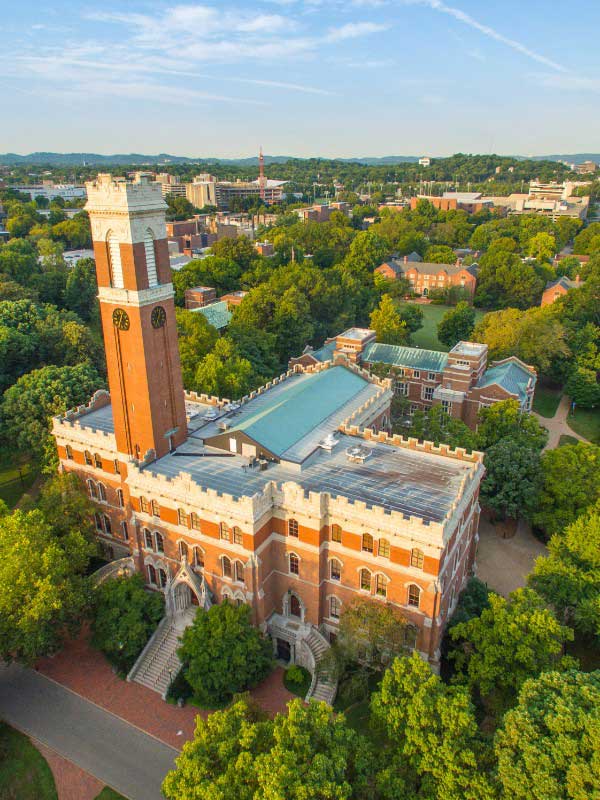
Earn an Ed.D. from Vanderbilt University's Peabody College

Pursue an Ed.D. online from top-ranked Vanderbilt University Peabody College. Master degree or 30 credit hours of graduate-level study required. Build advanced leadership skills in as few as 3 years. 

  • Become an influential leader in your organization  
  • Part-time or full-time schedules available  
  • Complete your Ed.D. in as little as three years 

info SPONSORED

Job Functions for Different Employers

The key difference between public vs. private employment for school administrators is job title: public schools generally call their administrators principals, private schools may call them headmasters or program directors, and universities or colleges may call them deans, provosts, department heads, or cast them in roles like admissions officers.

Common skills needed for most positions include:

  • Interpersonal
  • Decision making
  • Critical thinking
  • Organizational
  • Time management
  • Negotiation
  • Communication

Information last updated: January 2026
